Sri Lanka packs a remarkable variety into a small island: ancient cities and rock fortresses, misty tea plantations, wildlife safaris and golden beaches, all within a few hours of each other. For a first visit, the classic loop through the Cultural Triangle, the hill country and the south coast is hard to beat. Here is how to plan it.
When to go
Sri Lanka is warm all year, but two monsoons affect different parts of the island at different times. The south-west monsoon brings rain to the west and south coasts and the hill country from about May to September, while the north-east monsoon affects the east and north from about October to January. That makes December to April the best time for the classic route described here, and May to September the time to head for the east coast beaches instead. See the month-by-month view on our Sri Lanka guide.
The Cultural Triangle
Start in the island's ancient heartland. Sigiriya, a 5th-century rock fortress rising from the jungle, is the highlight: climb past frescoes and the giant Lion's Paws to the ruins on the summit for sweeping views. Go early to avoid the midday heat. Nearby, Dambulla's cave temples are filled with Buddhist statues and paintings, and the ancient cities of Polonnaruwa and Anuradhapura reveal the island's long history through stupas, palaces and temples. Base yourself around Sigiriya or Habarana for two or three nights.
Kandy
Kandy, the last royal capital, sits around a lake in the hills. Its most important site is the Temple of the Sacred Tooth Relic, one of the most revered places in the Buddhist world. Dress respectfully, with shoulders and knees covered, and visit during one of the daily ceremonies for the atmosphere. The Royal Botanical Gardens at Peradeniya make an easy, peaceful half-day trip.
The hill country by train
The train journey from Kandy to Ella is one of the most beautiful rail rides in Asia, winding through tea estates, waterfalls and cloud forest. Reserved seats sell out quickly in peak season, so book ahead, or enjoy the atmosphere of the unreserved carriages if you can be flexible. In Ella, walk up Little Adam's Peak, visit the Nine Arch Bridge and tour a tea factory. Nuwara Eliya, with its colonial-era buildings and cool climate, is another option for a night.
Wildlife
Sri Lanka is one of the best places in Asia to see wildlife. Yala National Park, in the south-east, is known for leopards, as well as elephants, sloth bears, crocodiles and birdlife. Udawalawe is excellent for elephants, and in season, whale-watching trips from Mirissa look for blue whales offshore. Early-morning game drives offer the best chances of sightings.
The south coast
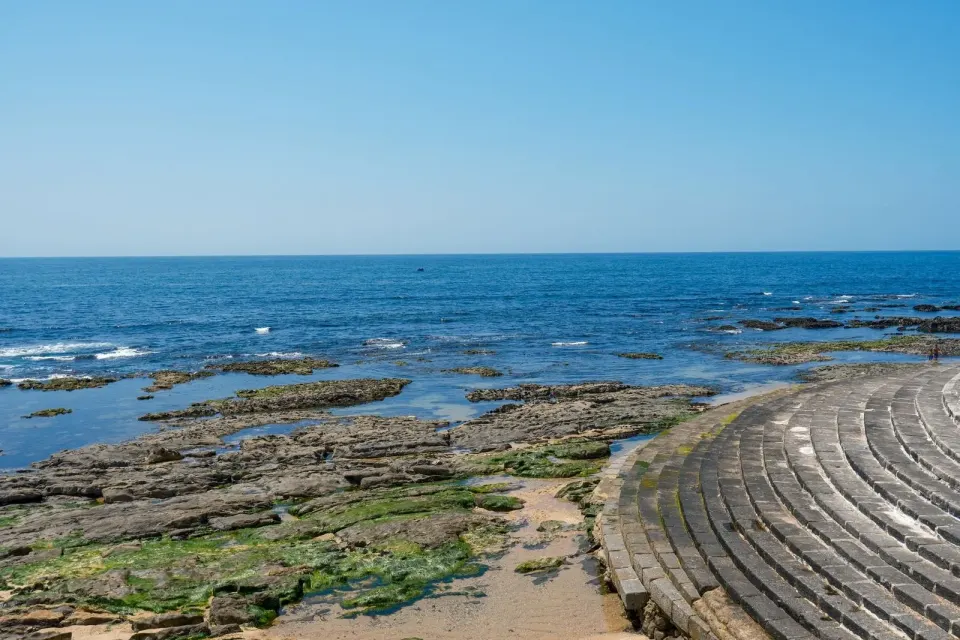
End with a few days by the sea. Galle Fort, a UNESCO World Heritage Site, is a walled town of colonial streets, cafés and boutiques, with sunset walks along the ramparts. Beaches such as Unawatuna, Mirissa and Tangalle offer everything from lively bars to quiet coves.
A sample nine-day route
- Sigiriya (2 nights): the rock fortress, Dambulla and an ancient city.
- Kandy (1 night): the Temple of the Tooth and the botanical gardens.
- Ella (2 nights): the scenic train, tea estates and gentle hikes.
- Yala (1 night): an early-morning leopard safari.
- Galle (2 nights): the fort and south-coast beaches.
Practical tips
- Remove shoes and hats at temples, and never pose with your back to a Buddha statue.
- Distances are short but roads are slow; a private driver is a popular and convenient way to travel.
- Carry some cash for smaller towns, tuk-tuks and temple donations.
- Pack light clothing, a warm layer for the hill country and plenty of sunscreen.
Sri Lanka also pairs beautifully with the Maldives, a short flight away, for a trip that combines culture and wildlife with pure relaxation. Read our Maldives planning guide for ideas.